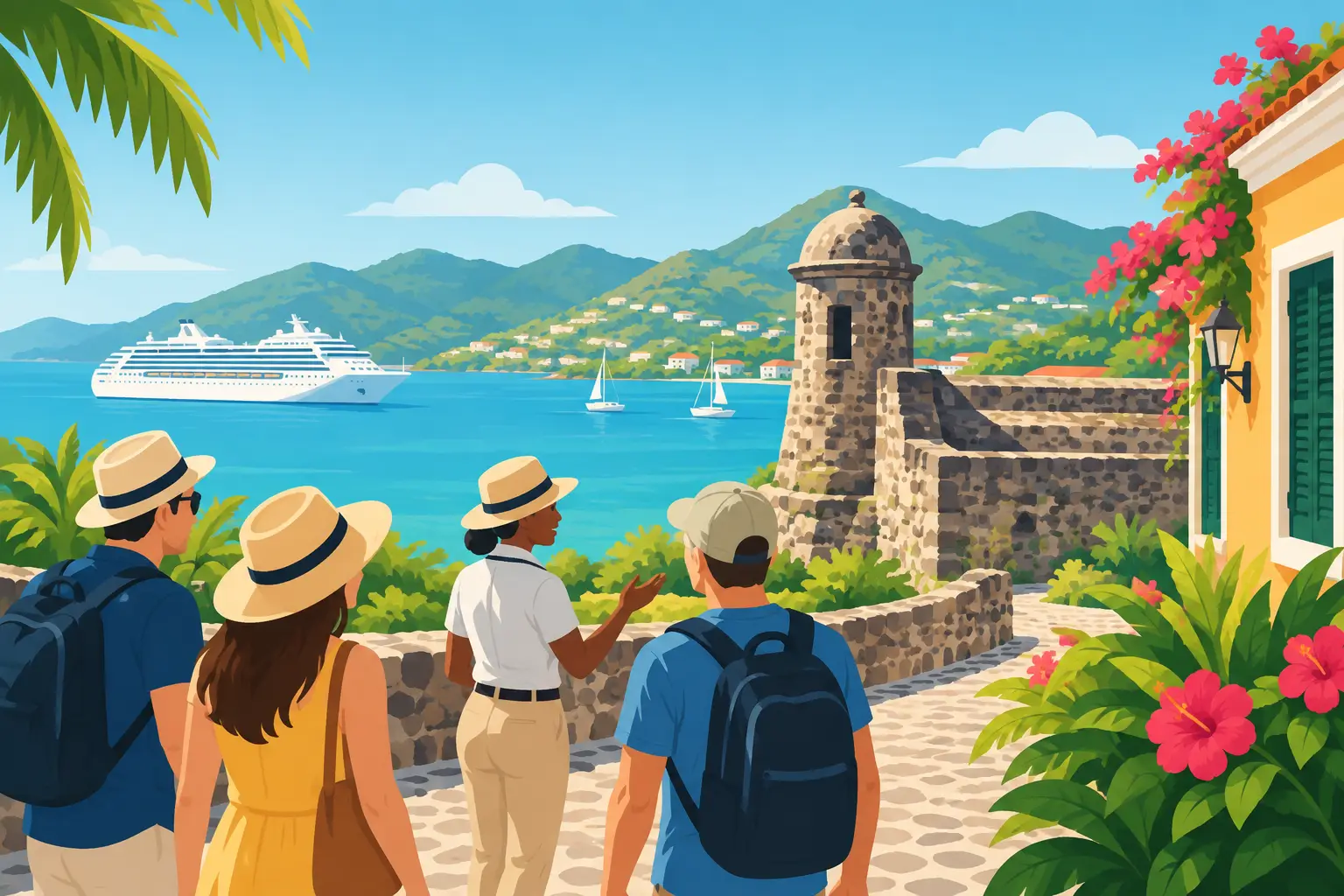
A port day in Antigua can disappear faster than most travelers expect. One minute you are stepping off the ship or leaving your resort lobby, and the next you are watching the clock, wondering whether you have seen anything beyond the beach closest to you. Antigua cultural tours give that limited time more meaning, pairing the island’s famous coast with the stories, neighborhoods, food traditions, and landmarks that make Antigua feel like Antigua.
For cruise guests, the right experience needs to be enjoyable without creating stress about getting back to the pier. For hotel guests, it should feel like a real introduction to the island, not simply a ride between photo stops. The best cultural outings make room for both: the bright blue water you came to see and the heritage that stays with you after the vacation ends.
What Makes Antigua’s Culture Worth Seeing
Antigua is often introduced through its beaches, and rightfully so. The island’s shoreline is extraordinary. But the view becomes richer when you understand what sits behind it: a seafaring history, a British colonial legacy, African and Caribbean traditions, village life, music, cuisine, and an enduring sense of Antiguan pride.
The island’s past is visible in its forts, former plantations, churches, harbors, and old military sites. English Harbour and Nelson’s Dockyard, for example, tell part of the story of Antigua’s strategic place in the Caribbean. They also show why the island developed the character it has today: practical, outward-looking, and closely connected to the sea.
Culture is not confined to historic buildings, though. It is in the welcome at a local stop, the rhythm of soca or calypso playing nearby, the scent of jerk seasoning and fresh seafood, and the easy conversation that turns a quick visit into a memory. A good tour guide does more than point out a landmark. They help visitors recognize these moments as part of a living island, not background scenery.
Choosing Antigua Cultural Tours for Your Schedule
The best tour depends on how much time you have and what you want to bring home from the day. A cruise passenger with six or seven hours ashore has different needs from a couple staying at a resort for a week. Neither needs to see every corner of Antigua. Trying to do too much can turn a beautiful island into a checklist.
For a short port call, choose a structured sightseeing experience with clear timing, convenient pickup, and a route that combines several kinds of stops. A tour that includes coastal views, landmark commentary, and time in a historic area can provide a strong sense of place without requiring you to arrange taxis at every stop. If beach time is your priority, look for a cultural sightseeing option that leaves room for a beach shuttle or a relaxed afternoon by the water.
Hotel guests have more flexibility. You may prefer a half-day orientation early in your stay, then use what you learn to decide where to return later. Seeing the island with a knowledgeable local guide can help you understand which areas feel right for shopping, dining, photography, history, or a quieter beach day.
Look for a tour that is clear about the day
Before booking, consider how the experience handles timing, pickup locations, comfort, and the pace of the itinerary. Cruise travelers should confirm that the return schedule is designed around the ship’s departure time. Families may want a tour with manageable walking and regular opportunities to take photos or use restrooms. Mature travelers may value comfortable seating, easy boarding, and a guide who keeps the day organized.
Also think about what “cultural” means to you. Some guests want historic sites and island history. Others are more interested in local food, village character, music, or shopping for handmade items. The strongest experience usually offers a thoughtful mix, but it is worth choosing one that matches your own interests rather than relying on a broad label alone.
See More Than a Postcard View
Antigua rewards travelers who look beyond the first perfect panorama. From elevated viewpoints, the island can appear all coastline and calm water. On the road, another Antigua comes into view: brightly painted homes, roadside fruit stands, cricket grounds, churches, and communities with their own personality.
This is where organized sightseeing has real value. Driving on an unfamiliar island, finding parking, coordinating taxis, and deciding which route is worthwhile can take energy away from the experience. A guided route lets you look out the window, listen, ask questions, and notice details you might otherwise pass without context.
That is especially useful when your vacation time is limited. Antigua’s premier mobile landmark, 268 Trolley Train Coastal Express, is designed around that idea: memorable sightseeing transportation that makes the journey part of the day, rather than treating it as time between attractions. The trolley-style format adds a little vacation character to the ride while helping visitors move through the island with confidence.
Historic Stops That Add Context
A cultural tour does not need to feel like a lecture to be worthwhile. The most enjoyable historic stops are the ones where the setting does some of the storytelling. A harbor, stone wall, hillside, or restored building can make the past feel immediate in a way a brochure cannot.
English Harbour is a natural fit for travelers interested in Antigua’s maritime history. Its sheltered waters once made it a vital naval base, and the area still carries the atmosphere of a working harbor shaped by centuries of movement. Nearby views from Shirley Heights are often a highlight, not only for the sweeping coastline but for the perspective they provide on the harbor below.
St. John’s also deserves time when an itinerary allows. As the capital, it offers a different view of island life, with market activity, local businesses, civic landmarks, and the recognizable profile of St. John’s Cathedral. It may not have the polished resort feeling some visitors expect, but that is part of its value. This is a place to observe, listen, and experience a little of the island’s everyday rhythm.
Enjoy Local Flavor Respectfully
Cultural travel works best when curiosity is paired with respect. Ask before taking close-up photos of people, especially at markets or in neighborhoods. Support local vendors when you find something you genuinely like, whether that is fruit, a handmade souvenir, or a meal prepared with Antiguan flavor. A small purchase can be a more meaningful connection than another generic keepsake.
Food is one of the easiest ways to make a cultural tour personal. Antigua’s cuisine reflects Caribbean ingredients and international influences, with saltfish, fungi, fresh fish, pepperpot, tropical fruit, and locally made drinks appearing in different settings. If your tour includes a food stop, try something unfamiliar. If it does not, ask your guide where you might find a good local lunch later in the day.
There is a trade-off here. A tightly timed cruise excursion may not allow for a long, lingering meal at every stop. That is not a flaw if the itinerary is honest about its pace. The goal is to have enough time to taste, learn, and look around without putting your return to the ship at risk.
Make Your Day Feel Easy From the Start
The most memorable Antigua cultural tours are usually the ones that feel well-paced. Start with a plan, but leave room for the unexpected photo, the view that makes you pause, or the guide’s story that changes how you see the island. Wear light clothing, bring sun protection and water, and keep a little cash available for personal purchases. Antigua’s sunshine is part of the appeal, but it can feel intense during a full sightseeing day.
For cruise visitors, build in a buffer rather than trying to arrange a final independent stop just before all-aboard time. For resort guests, consider scheduling a cultural outing early enough in your stay that you can use the rest of your vacation to revisit a favorite area. A guided introduction can make the days that follow feel more confident and more connected.
You came to Antigua for the color of the sea, the warmth of the weather, and the promise of a Caribbean escape. Give yourself time to hear the island’s stories too. The beach will still be beautiful afterward, but it may mean a little more.

